Cell and module movement
Cushioning layers help control movement, reduce contact noise and protect components during vehicle operation.
Solutions / EV Battery Pack Sealing
BISCOTECH supplies PU foam, silicone foam, EPDM rubber, CR foam and converted parts for battery cells, modules, pack housings, covers and vehicle electronics.
Discuss Your ProjectQuotes in as little as 30 minutes. Same-day drawings and samples.
Application challenge
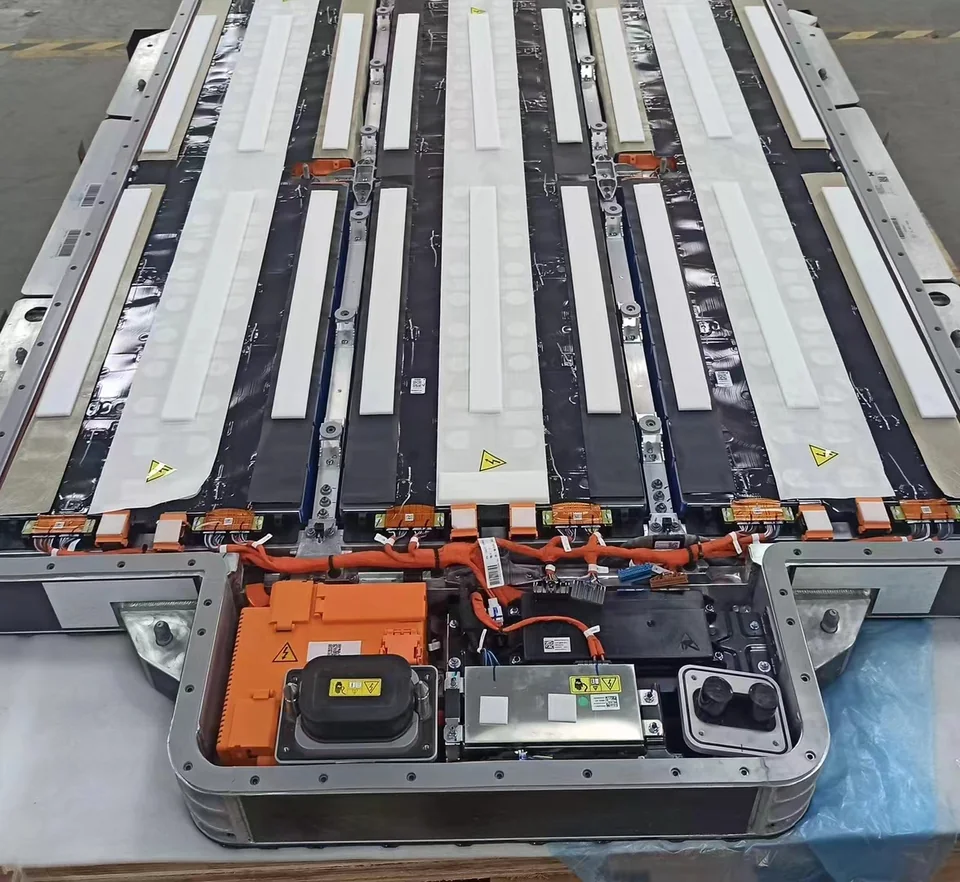 Battery pack sealing
EV battery packs combine tight tolerances, vibration, thermal cycling, electrical insulation and long service life. Materials must cushion movement, protect interfaces and fill controlled gaps while fitting the pack geometry.
BISCOTECH helps teams select foam and rubber materials, then converts them into cell pads, module cushions, enclosure gaskets, strips and adhesive-backed parts for prototype and production assembly.
Key pain points
Cushioning layers help control movement, reduce contact noise and protect components during vehicle operation.
Material recovery and dimensional stability matter as the pack experiences repeated heating and cooling cycles.
Insulating pads and barriers help keep components separated around busbars, connectors and sensitive interfaces.
Die-cut shapes, adhesive backing and repeatable tolerances help operators assemble parts consistently at scale.
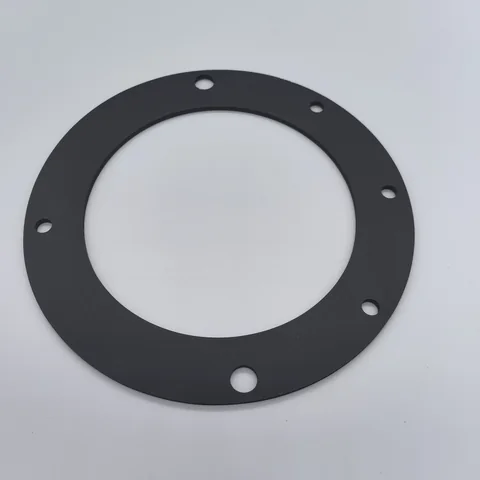 PU Foam
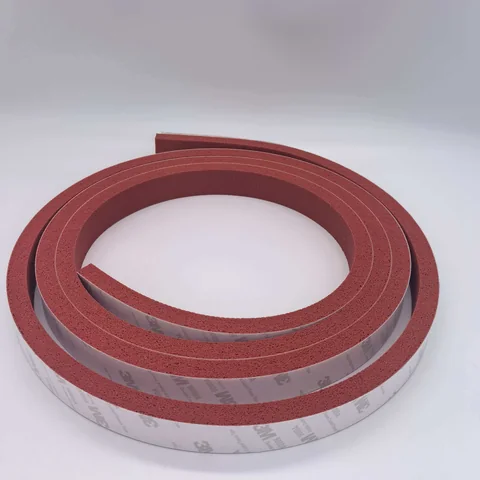 Silicone Foam
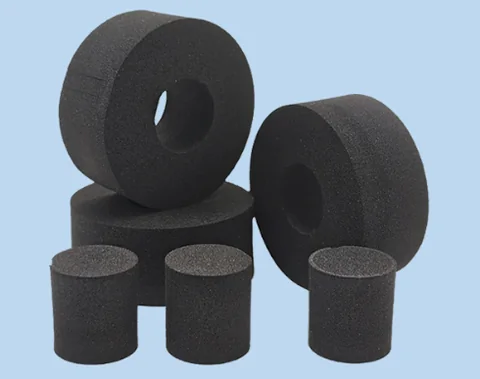 EPDM Rubber
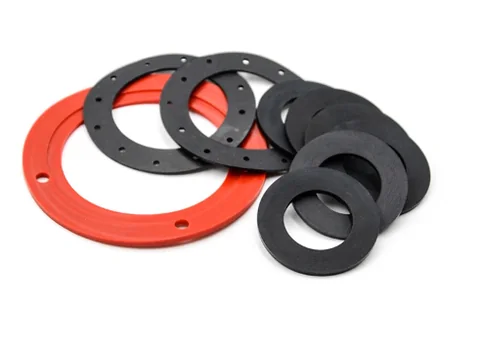 CR Foam
Material options
For lightweight cushioning, gap filling, anti-rattle pads and adhesive-backed protection inside battery assemblies.
For temperature stability, compression recovery, flame-retardant cushioning and demanding battery enclosure seals.
For resilient sealing, electrical insulation and durable gasket parts around covers, housings and pack interfaces.
For mechanical protection, cushioning, oil resistance and flame-retardant requirements in vehicle assemblies.
Typical applications
Converting and customization
BISCOTECH can adjust thickness, density, hardness, adhesive type, liner, roll width and converted geometry to match the pack structure, compression space and production method.
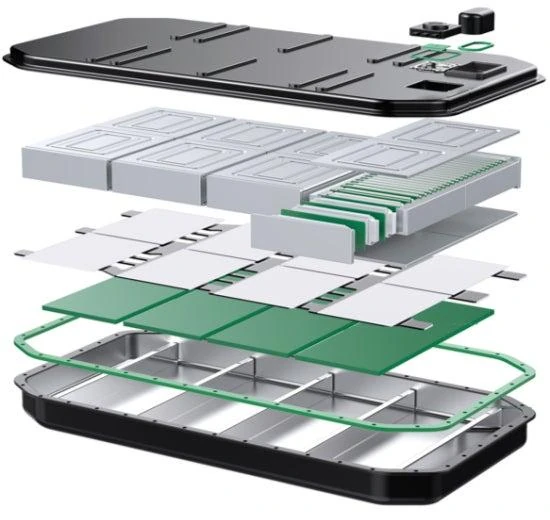
Application example
A battery module may need a cushioning and sealing part that would fit a narrow gap, reduce movement and remain easy to install.
Review the drawing, compression space, temperature range, contact surfaces and assembly method, then compare PU foam, silicone foam and rubber options.
Prepare candidate samples to evaluate fit, compression recovery and adhesive compatibility. Check performance under the intended operating conditions before confirming the material and production format.
FAQ
It depends on the gap, compression, temperature, flame-retardant, insulation and recovery requirements. PU foam is often used for lightweight cushioning, while silicone foam, EPDM rubber and CR foam can support more demanding sealing and protection conditions.
Yes. We can convert foam and rubber into die-cut pads, sealing frames, strips, adhesive-backed parts, laminated layers and other custom formats for sample validation and production.
A drawing or sample, target thickness, compression space, temperature range, contact materials, adhesive requirement, estimated quantity and assembly method will help us recommend the right material and converting process.
EV battery projects