Vibration and noise
Soft cushioning helps reduce rattling, motor vibration and contact noise in appliances and compact devices.
Solutions / Home Appliances & Consumer Devices
BISCOTECH supplies PU foam, silicone foam, EPDM rubber, CR foam and converted parts for cushioning, gap filling, sealing, vibration control and component protection.
Discuss Your ProjectQuotes in as little as 30 minutes. Same-day drawings and samples.
Application challenge
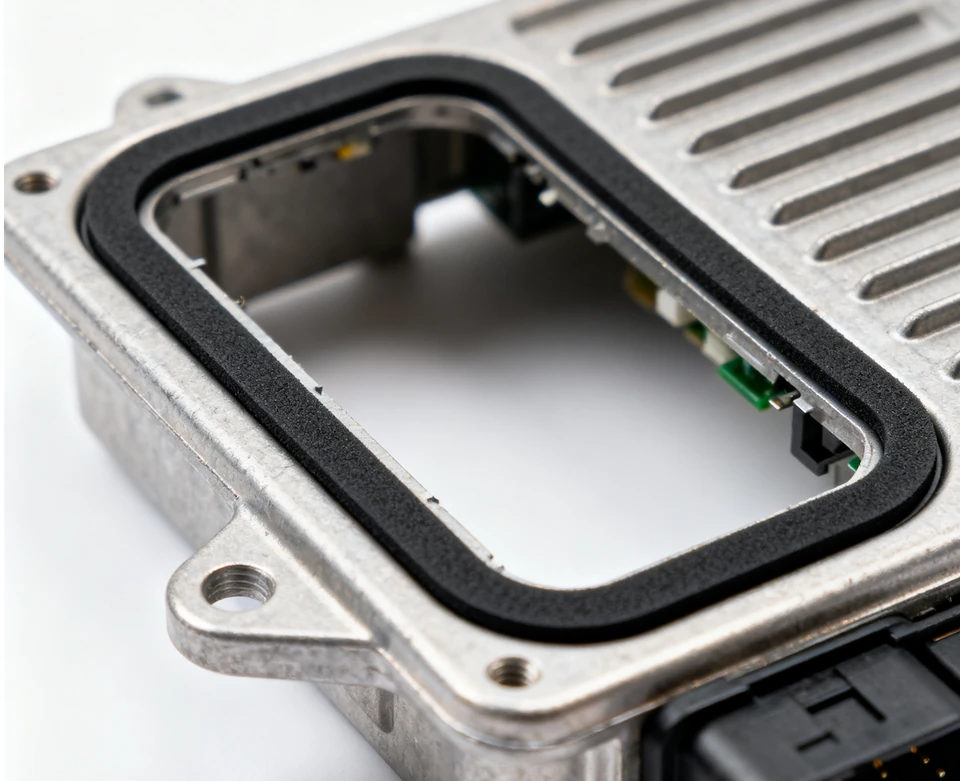 Device cushioning and sealing
Consumer devices and appliances combine sensitive electronics, moving parts, plastic housings and narrow assembly gaps. Cushioning materials need to reduce noise and vibration while keeping components protected and correctly positioned.
BISCOTECH converts soft foam and resilient rubber into gaskets, pads, strips and adhesive-backed parts that fit the product drawing and assembly sequence.
Key pain points
Soft cushioning helps reduce rattling, motor vibration and contact noise in appliances and compact devices.
Compressible foam parts compensate for small assembly tolerances and help keep components stable.
Perimeter seals and interface gaskets help protect displays, controls, batteries and internal electronics.
Adhesive-backed and die-cut parts support accurate placement and repeatable production workflows.
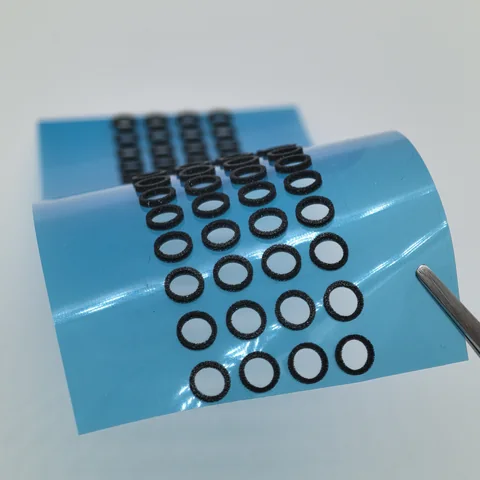 PU Foam
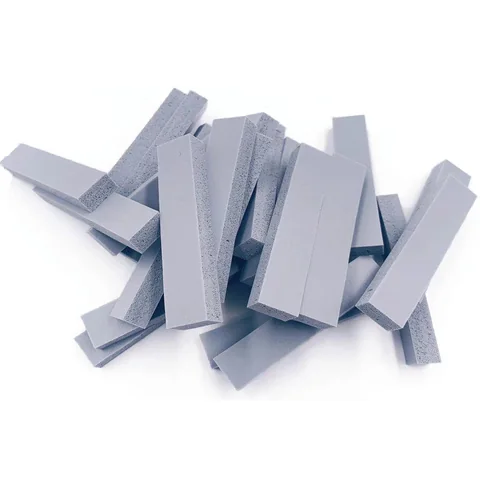 Silicone Foam
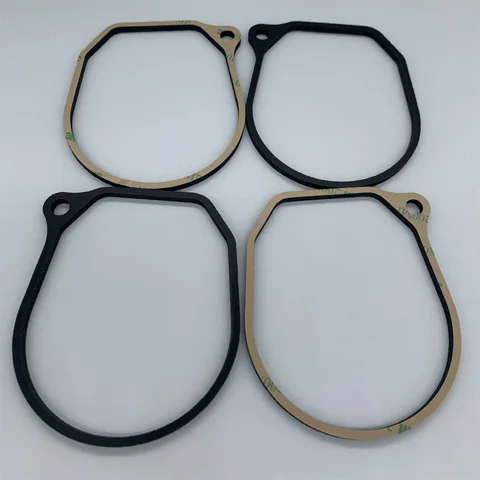 EPDM Rubber
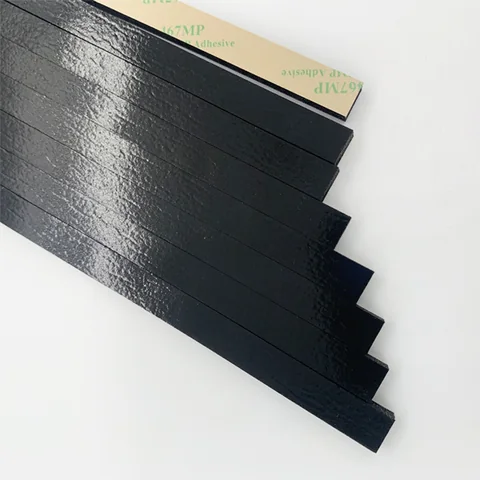 CR Foam
Material options
Soft, elastic and highly compressible for cushioning, gap filling, shock absorption and general product protection.
For temperature stability, compression recovery and sealing in appliances or devices exposed to heat.
For resilient seals, electrical insulation and applications that need resistance to water, ozone and aging.
For stronger mechanical cushioning, oil resistance and flame-retardant requirements around equipment interfaces.
Typical applications
Converting and customization
BISCOTECH can adjust thickness, density, hardness, adhesive type, liner and converted geometry to match your product structure and assembly requirements.
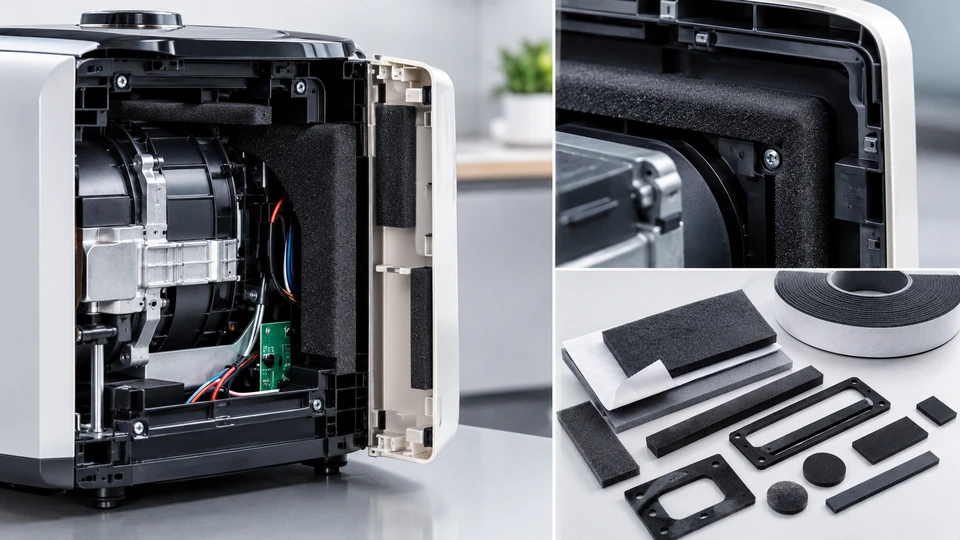
Application example
A compact appliance may need a soft part to reduce movement and noise between an internal component and its housing.
Review the gap, compression range, temperature, adhesive surface and installation method, then compare PU foam and silicone foam options.
Prepare candidate samples to evaluate fit, compression recovery and adhesive compatibility. Check performance under the intended operating conditions before confirming the material and production format.
FAQ
PU foam is often selected for soft cushioning, shock absorption and gap filling. Silicone foam, EPDM and CR foam may be better when the design needs higher temperature stability, weather resistance, insulation or mechanical strength.
Yes. We can produce die-cut pads, gaskets, strips, adhesive-backed parts and laminated shapes from drawings, samples or approved prototypes.
Please share the part drawing or sample, gap size, compression range, working temperature, contact surfaces, adhesive requirement and estimated quantity.
Appliance and device projects